How to Build High-Converting Funnels
A Performance Marketing Agency for D2C & B2B Brands understands that generating traffic is only the first step toward growth. The real challenge lies in converting visitors into qualified leads and paying customers. High-converting funnels help businesses guide prospects through every stage of the buyer journey, increasing conversions, improving return on ad spend , and maximizing revenue. Whether you’re a D2C brand focused on online sales or a B2B company generating leads, a well-structured funnel can significantly improve marketing performance.
What Is a High-Converting Funnel?
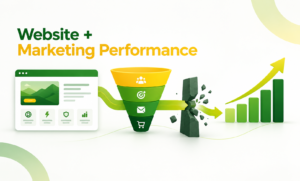
A marketing funnel is the path prospects take from discovering your brand to becoming customers.
A high-converting funnel removes friction, builds trust, and encourages action at every stage.
Typical funnel stages include:
Awareness Stage
Potential customers discover your brand through:
-
Google Ads
-
Social Media Advertising
-
SEO Content
-
Email Marketing
-
Influencer Campaigns
The goal is to attract relevant traffic.
Consideration Stage
Prospects evaluate your products or services by:
-
Reading blogs
-
Watching videos
-
Downloading resources
-
Comparing solutions
The goal is to educate and nurture interest.
Conversion Stage
Visitors take action by:
-
Purchasing a product
-
Booking a consultation
-
Requesting a demo
-
Filling out a lead form
The goal is to convert interest into revenue.
Why Every Performance Marketing Agency for D2C & B2B Brands Focuses on Funnels
Many businesses invest heavily in traffic generation but overlook conversion optimization.
Without a structured funnel:
-
Ad spend increases
-
Conversion rates decline
-
Leads become expensive
-
Revenue growth slows
A Performance Marketing Agency for D2C & B2B Brands focuses on creating seamless customer journeys that improve both acquisition and conversion metrics.
Step 1: Understand Your Target Audience
The foundation of every successful funnel is audience research.
Identify:
-
Customer pain points
-
Purchase motivations
-
Common objections
-
Decision-making triggers
Example
For D2C Brands:
-
Product quality
-
Price comparisons
-
Fast delivery
-
Customer reviews
For B2B Brands:
-
ROI potential
-
Business outcomes
-
Industry expertise
-
Long-term value
The more relevant your messaging, the higher your conversion rates.
Step 2: Create High-Converting Landing Pages
Landing pages often determine whether visitors convert or leave.
Essential Elements
A strong value proposition is a core component of any successful performance marketing strategy and helps visitors understand why they should choose your business over competitors.
Clear Value Proposition
Communicate:
-
What you offer
-
Who it’s for
-
Why it matters
Strong Headlines
Focus on benefits rather than features.
Example:
Instead of:
“Digital Marketing Services”
Use:
“Generate More Qualified Leads with Data-Driven Performance Marketing”
Compelling Call-to-Action
Examples:
-
Book a Free Strategy Call
-
Get a Free Audit
-
Request a Demo
-
Start Growing Today
Social Proof
Include:
-
Testimonials
-
Client logos
-
Case studies
-
Reviews
Trust accelerates conversions.
Step 3: Optimize Traffic Sources
A funnel performs only as well as the traffic entering it.
A Performance Marketing Agency for D2C & B2B Brands aligns funnel strategy with acquisition channels.
Paid Advertising
Use:
-
Google Ads
-
Meta Ads
-
LinkedIn Ads
-
Retargeting Campaigns
Organic Channels
Use:
-
SEO Blogs
-
Content Marketing
-
Email Marketing
-
Social Media Content
The goal is to attract qualified prospects rather than maximize traffic volume.
Step 4: Use Lead Magnets Strategically
Lead magnets help capture prospects before they’re ready to buy.
Popular examples include:
-
Industry Reports
-
Checklists
-
Free Audits
-
Templates
-
Webinars
-
E-books
For B2B companies, lead magnets are often a critical component of funnel success.
Step 5: Implement Marketing Automation
Not every prospect converts immediately.
Marketing automation helps nurture leads through:
Email Sequences
Deliver educational content and offers.
Retargeting Campaigns
Reconnect with visitors who didn’t convert.
CRM Workflows
Move leads efficiently through the sales process.
Automation improves consistency while reducing manual effort.
Step 6: Optimize Conversion Rates Continuously
High-converting funnels are never finished.
Successful brands constantly test and improve.
A/B Testing Opportunities
Test:
-
Headlines
-
CTA buttons
-
Landing page layouts
-
Images
-
Form lengths
-
Offer positioning
Even small improvements can significantly increase revenue over time.
Common Funnel Mistakes to Avoid
Ignoring Mobile Users
Most traffic now comes from mobile devices.
Asking for Too Much Information
Long forms often reduce conversions.
Weak Follow-Up Processes
Leads lose interest without timely communication.
Poor Landing Page Experience
Slow load times and confusing layouts increase bounce rates.
No Funnel Analytics
Without data, optimization becomes guesswork.
Tools like Google Analytics and Google Search Console help identify funnel bottlenecks and opportunities.
How a Performance Marketing Agency for D2C & B2B Brands Improves Funnel Performance
An experienced agency follows a systematic process:
Audit
Review:
-
Funnel structure
-
Traffic quality
-
Landing page performance
Analyze
Identify:
-
Drop-off points
-
User behavior patterns
-
Conversion barriers
Optimize
Implement:
-
CRO improvements
-
Better messaging
-
Improved offers
-
Faster user experiences
Scale
Increase investment into channels and funnel stages delivering the highest ROI.
This approach creates predictable and scalable growth.
FAQs
What is a high-converting marketing funnel?
A high-converting funnel guides prospects through awareness, consideration, and conversion stages while minimizing friction and maximizing conversions.
Why is funnel optimization important?
Funnel optimization improves conversion rates, lowers acquisition costs, and increases return on marketing investment.
How does a Performance Marketing Agency for D2C & B2B Brands build funnels?
A Performance Marketing Agency for D2C & B2B Brands combines audience research, landing page optimization, paid advertising, automation, and conversion rate optimization to maximize results.
What channels work best for funnel building?
Google Ads, Meta Ads, SEO, email marketing, LinkedIn marketing, and retargeting campaigns are commonly used depending on business goals.
How often should funnels be optimized?
Funnels should be monitored continuously and tested regularly to improve performance and adapt to changing customer behavior.
Conclusion
Building a high-converting funnel requires more than simply driving traffic. It demands a strategic approach that aligns audience targeting, landing pages, content, automation, and conversion optimization.
A Performance Marketing Agency for D2C & B2B Brands helps businesses build scalable funnels that generate qualified leads, increase sales, and maximize ROI. By continuously testing and refining every stage of the customer journey, brands can achieve sustainable growth and long-term success.
Ready to Build a Funnel That Converts?
Partner with KronoGrowth to create data-driven marketing funnels that transform traffic into measurable business growth.